 Global Gold DAO
Gold has occupied a distinctive place in global finance for centuries. It serves as an investment asset, a reserve holding and a way to diversify portfolios. Now, blockchain technology is creating new ways to represent and transfer gold-linked value, bringing the metal into a rapidly developing market for tokenized real-world assets.
The shift is attracting attention because gold combines an established global market with the potential for digital ownership and transfer. Tokenization can make gold-linked assets easier to divide, move between compatible wallets and connect with blockchain-based financial applications.
Recent market data suggests that this is no longer a niche experiment. CoinGecko’s 2026 RWA report found that tokenized commodities reached approximately $5.5 billion in market capitalization at the end of the first quarter, with gold-backed tokens accounting for most of the category’s growth. The report also recorded $90.7 billion in spot trading volume for tokenized gold during the quarter. These figures reflect the market conditions covered by the report, not a guarantee of continued growth.
Why Gold Fits the Tokenization Model
Tokenization works by representing an asset or a defined economic interest in digital form. Gold is a natural candidate because it already has global pricing conventions, established trading markets and a long history in financial portfolios.
Physical gold, however, comes with practical constraints. Investors must consider storage, transport, insurance and verification. Large bars also create barriers for people who want exposure to smaller quantities.
Digital products can address some of these limitations. A token may represent a fraction of a gold-linked asset, allowing users to transfer or trade smaller units through supported platforms. The underlying asset can remain in its existing custody structure while the digital token moves between participants.
The precise relationship depends on the product. Some tokens represent claims linked to allocated physical gold. Others provide exposure through an exchange-traded fund or a different financial structure. Tokenization does not make these arrangements identical, and investors must understand what each token actually represents.
Market Activity Is Drawing Attention
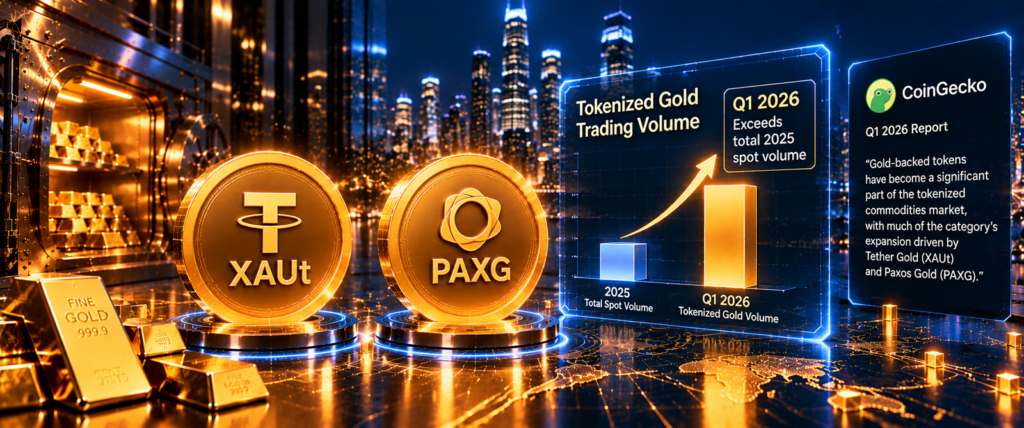
Gold-backed tokens have become a significant part of the tokenized commodities market. CoinGecko’s first-quarter 2026 report attributed much of the category’s expansion to Tether Gold (XAUt) and Paxos Gold (PAXG). It also reported that trading in tokenized gold exceeded the total spot volume recorded for the whole of 2025 during the first three months of 2026.
These figures point to increased activity in the market, but trading volume and market capitalization measure different things. Market capitalization estimates the value of tokens in circulation, while trading volume measures transactions over a period. Neither figure alone establishes how many users hold the assets, how liquid every market is or whether demand will persist.
Market conditions also influence the data. Gold price movements can attract investors to gold-backed tokens, while exchange listings and access to crypto trading platforms can increase activity. A rise in tokenized-gold volume may therefore reflect several forces rather than a single structural change.
Still, the figures show that digital gold has gained a measurable presence in the broader RWA market.
From Digital Ownership to Financial Utility
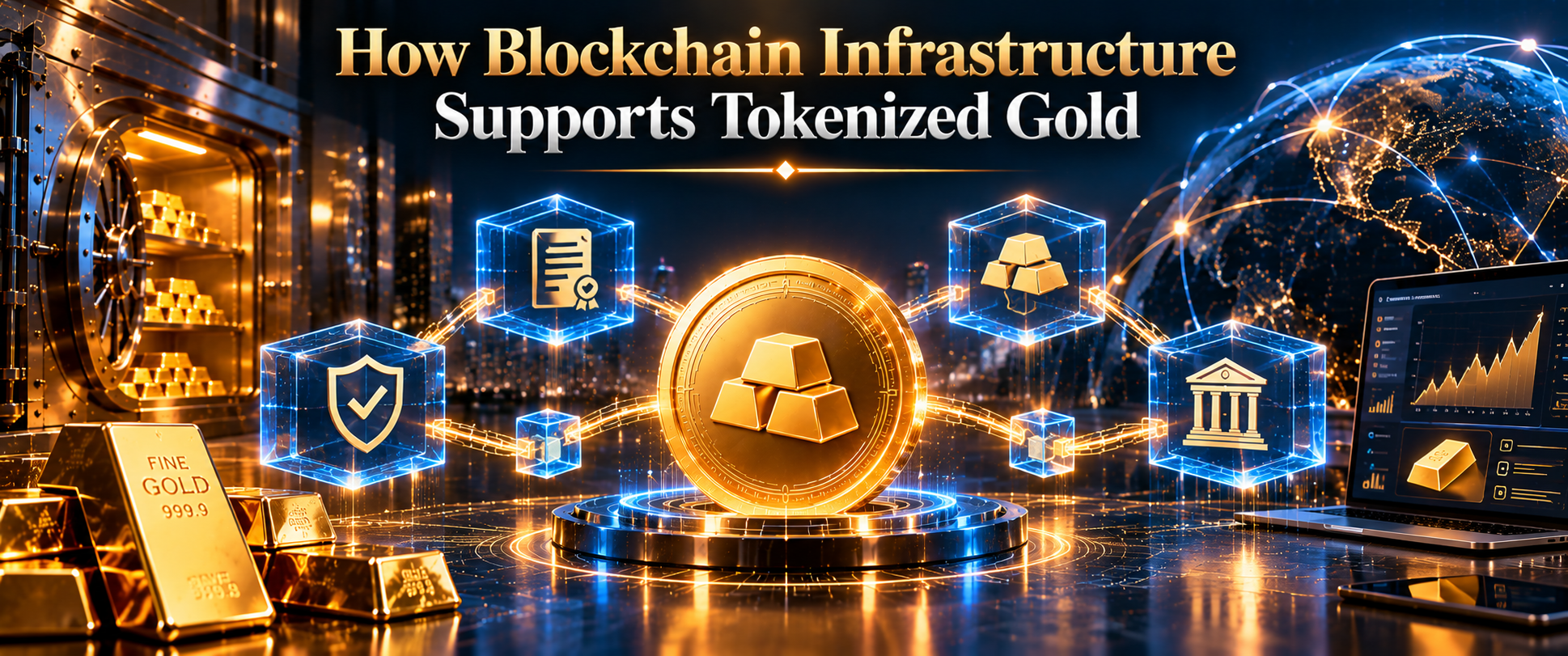
The appeal of tokenized gold extends beyond buying and selling. Blockchain infrastructure can allow supported assets to interact with decentralized exchanges, lending protocols and other smart-contract applications.
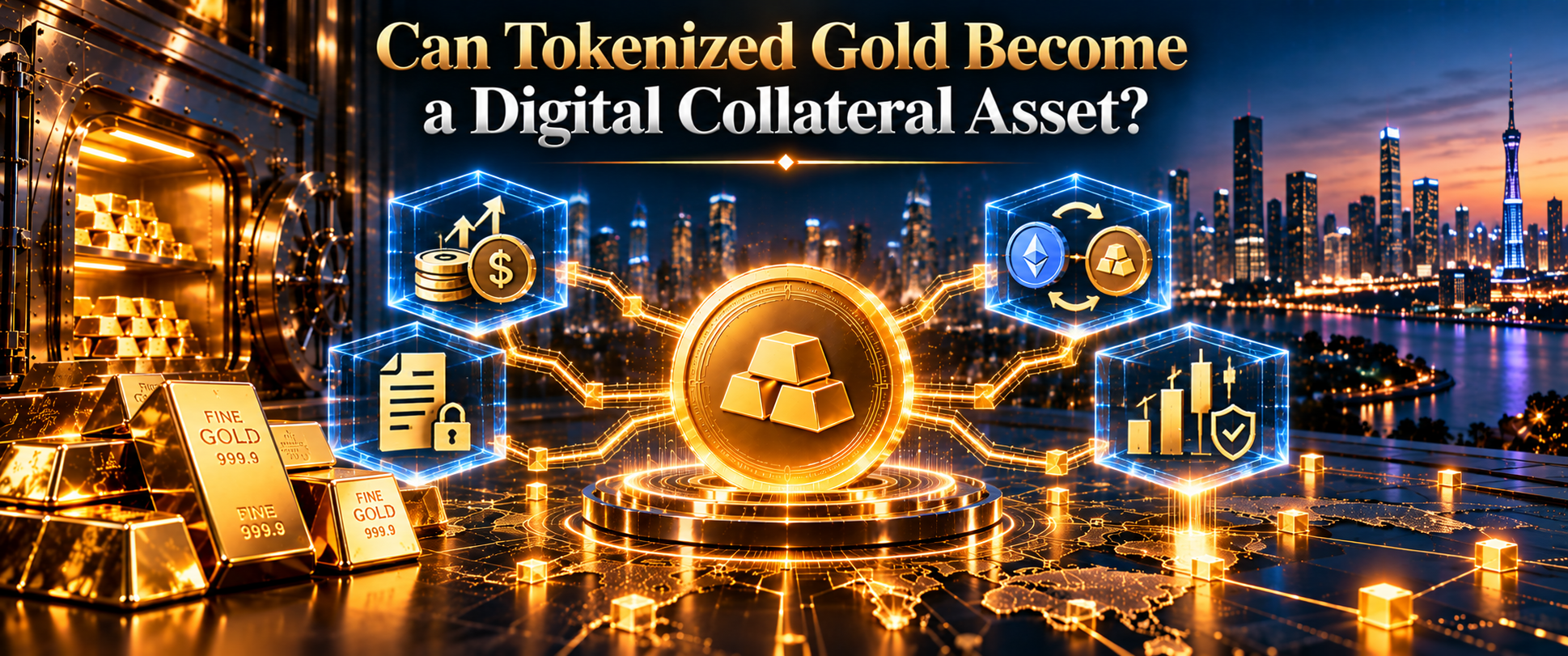
A holder may be able to trade a gold token against another digital asset or use it as collateral in a compatible lending market. These applications can make gold-linked assets more versatile than products designed solely to track gold’s price.
But this flexibility depends on the individual token and application. Protocols must support the asset, price feeds must provide suitable market data, and the token must have enough liquidity to support the intended use. Some products also impose restrictions on transfers or eligible holders.
DeFi introduces risks of its own. Smart-contract failures, oracle problems, liquidation rules and sudden changes in liquidity can affect users even when the underlying gold market operates normally. Investors should therefore assess the token and the application separately.
Institutions Are Exploring Shared Digital-Gold Infrastructure
The growth of tokenized gold also raises questions about how the market can scale while maintaining reliable custody and clear ownership.
In March 2026, the World Gold Council published Digital Gold: The Case for a Shared Infrastructure, developed with Boston Consulting Group. The research explored a proposed “Gold as a Service” model that would connect physical gold custody with the digital systems used to issue and manage gold-backed products.
The proposal focuses on standardizing processes such as custody coordination, reconciliation, compliance and redemption. Its broader objective is to reduce operational complexity and improve consistency across digital-gold products.
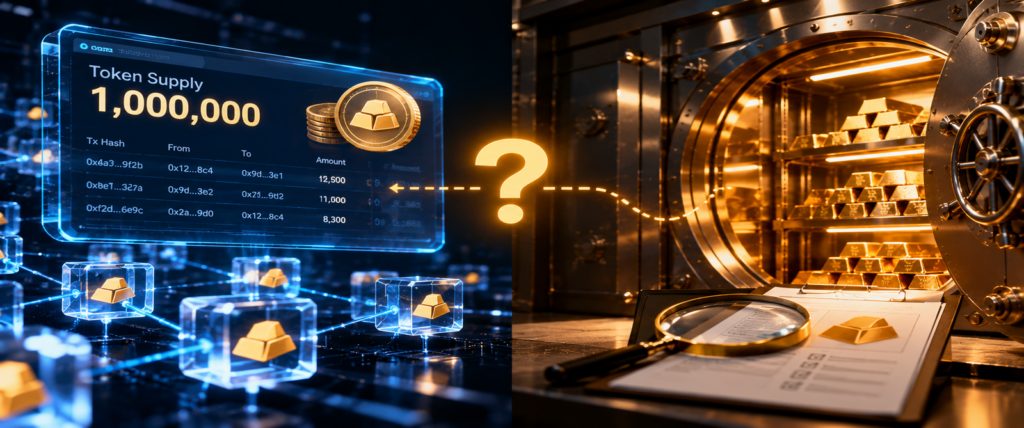
This matters because tokenization creates a digital record, but it does not independently prove that the underlying asset exists. Market participants still need reliable custody information and a clear legal framework. They also need ways to reconcile token supply with the assets that support it.
Shared infrastructure could help address these challenges, although the World Gold Council’s proposal describes a direction for market development rather than a guarantee that every tokenized-gold product already follows the same standards.
The Importance of Choosing the Right Underlying Asset
The term “tokenized gold” covers products with different structures. Some use allocated bullion held in professional vaults. Others link their value to gold ETFs or other financial instruments. These differences affect custody, redemption, legal ownership and the evidence investors should review.
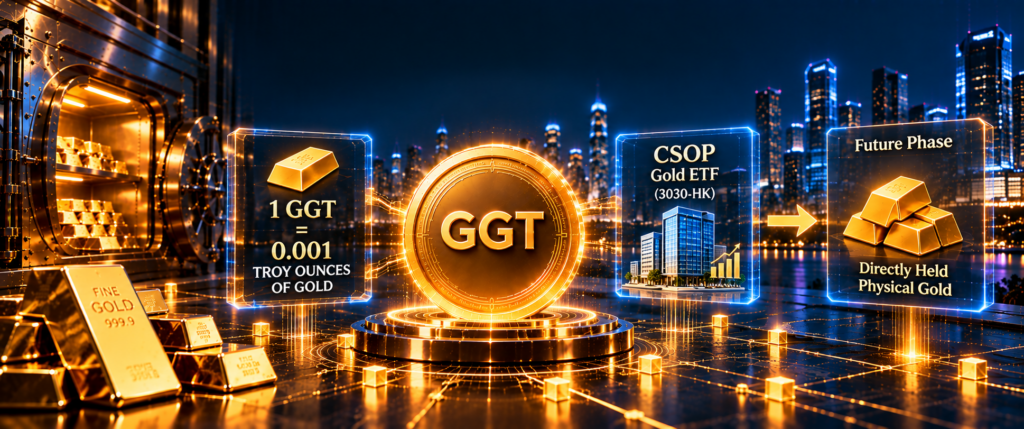
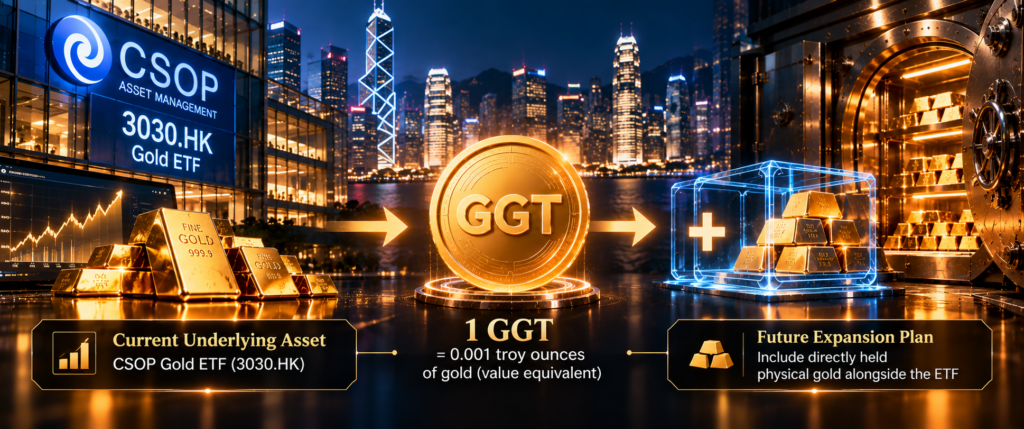
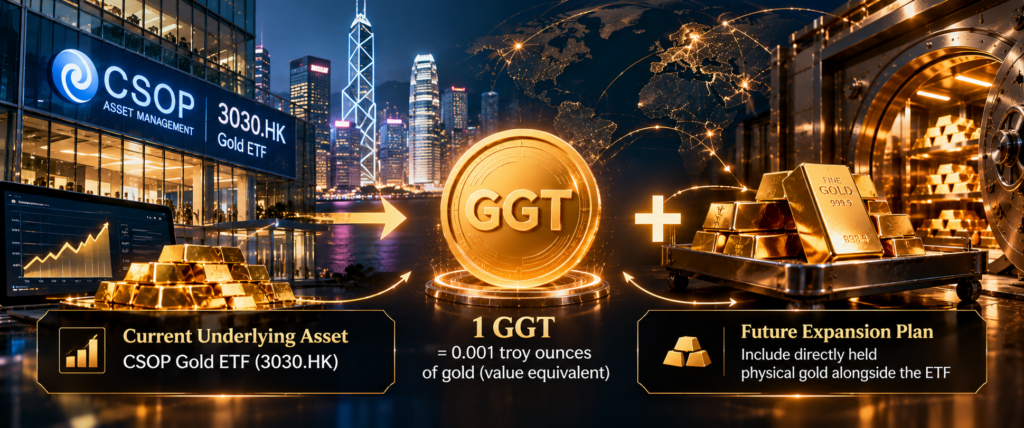
Gold on Chain provides one example of an ETF-based approach. Its current Whitepaper identifies CSOP Gold ETF (3030.HK) as the underlying asset for GGT. The project defines one GGT as the value equivalent of 0.001 troy ounces of gold and outlines a future plan to add directly held physical gold.
The project also uses GGU as a synthetic USD-denominated value unit designed to help manage volatility, while GGD provides governance and ecosystem incentives. GGU is not a conventional stablecoin backed by a one-to-one reserve of fiat currency.
These distinctions matter because a token’s name or connection to gold does not fully explain its structure. Investors should review the Whitepaper, custody arrangements, redemption terms and current disclosures before drawing conclusions about asset backing or rights.
What Could Drive the Next Stage of Growth?
Gold’s established role in global finance gives tokenized products a foundation that many newer digital assets do not have. Yet wider adoption will depend on more than investor interest or rising trading volumes.
The market needs reliable asset verification, clear ownership rights and workable redemption processes. It also needs consistent standards that help institutions assess different products. On the technology side, networks must support secure transfers and compatible applications without creating unnecessary operational complexity.
If these conditions improve, tokenized gold could become more integrated with digital portfolios, collateral markets and financial settlement systems. The World Gold Council’s vision of digital gold explores how the metal might become easier to transfer, pledge and redeem across financial systems while maintaining confidence in the underlying asset.
That outcome remains a developing possibility, not an inevitable result of tokenization. The market’s long-term credibility will depend on whether digital convenience comes with adequate transparency and safeguards.
Frequently Asked Questions
Why is gold important in the tokenization market?
Gold has established global markets, recognized pricing and a long history as a financial asset. Tokenization can make gold-linked exposure easier to divide, transfer and integrate with digital applications.
Is the tokenized gold market growing?
CoinGecko’s 2026 RWA report recorded growth in tokenized commodities and significant spot trading activity in tokenized gold during the first quarter. Market conditions can change, so these figures should be understood within their reporting period.
Can tokenized gold be used in DeFi?
Some gold-backed tokens can be used in supported lending and trading applications. Availability depends on the token, the protocol’s rules, liquidity and other risk controls.
Does every tokenized gold product represent physical gold?
No. Some products use physical bullion, while others rely on gold ETFs or different financial structures. Investors should review each product’s underlying assets and legal arrangements.
Conclusion
Gold is gaining a more visible role in tokenization because it combines a well-established financial asset with new ways to transfer and use value digitally. Market data shows meaningful activity, while industry initiatives are exploring infrastructure that could improve custody coordination and verification.
The opportunity extends beyond placing gold on a blockchain. It lies in connecting gold-linked assets with digital markets while preserving clear ownership, reliable asset records and appropriate safeguards. Whether tokenized gold becomes a lasting part of financial infrastructure will depend on how well the market delivers on those requirements.